Why regain happens (and is not your fault)
Obesity is a chronic relapsing disease. GLP-1s treat it the way statins treat cholesterol or insulin treats diabetes — they manage the condition while you take them. When you stop, the underlying biology reasserts itself.
What returns: food noise (within 4-6 weeks), appetite signaling to pre-treatment baseline, set-point biology trying to pull weight back up. None of this is willpower failure — it is the disease.
The regain timeline
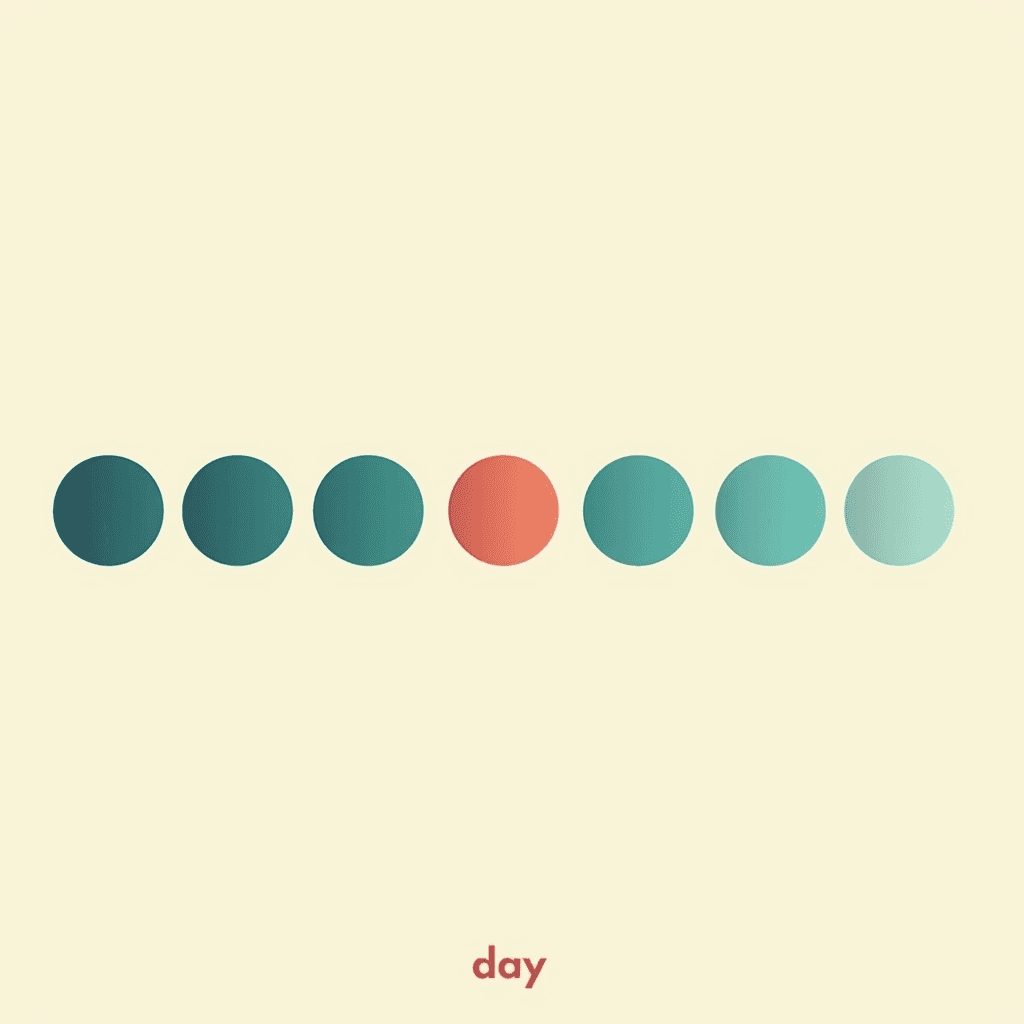
Weeks 1-4: minimal change. The drug clears, but its effects on appetite continue for a few weeks via residual neuroadaptation.
Months 1-3: food noise returns, appetite climbs. Weight may rise 5-10% of total loss in this window.
Months 3-12: steepest regain phase. Most patients regain 40-60% of lost weight in this window.
Year 2+: stabilization at the new set point — typically halfway between starting weight and peak loss.
Four interventions that meaningfully slow regain
1. Maintain strength training. Patients who lifted 2x/week through the loss phase and continue post-discontinuation regain 30% less on average.
2. Keep protein high. 0.8-1.0 g per pound of goal weight. Protein satiety is independent of GLP-1.
3. Track weight weekly. Catching a 5 lb rise early lets you intervene; catching a 25 lb rise late means restarting medication.
4. Consider a maintenance dose. Many clinicians now offer a lower dose (e.g. Wegovy 1.0 mg instead of 2.4 mg, Zepbound 5 mg instead of 15 mg) at lower cost. Real-world data suggests this prevents ~70% of regain.
When to restart
If you have regained more than 5-10% of your weight, restarting GLP-1 makes sense. Restart at a low dose (not where you left off) — your tolerance has reset and you will need to re-titrate.
Insurance: most plans cover GLP-1 restart if you still meet eligibility criteria (BMI + comorbidity). Document the regain in your medical record so the prior auth packet has the clinical justification.
Frequently asked questions
- How much weight will I regain after stopping Ozempic?
- STEP-4 trial data shows ~50% of lost weight regained within 12 months. Individual variation is wide — patients who maintain strength training and high protein regain ~30% less.
- How fast does weight come back after stopping Wegovy?
- Slowly at first (weeks 1-4), then steeper from month 1 to month 6 as appetite and food noise return. Most regain happens between months 3 and 12.
- Can I take Ozempic forever?
- Current clinical consensus: yes, like statins or blood pressure medication. GLP-1s are increasingly framed as chronic-disease medications, not weight loss drugs to discontinue.
- Is there a maintenance dose I can stay on?
- Yes — many clinicians offer a lower dose (e.g. Wegovy 1.0 mg, Zepbound 5 mg) at lower cost. Real-world data suggests this prevents the majority of post-discontinuation regain.
- Will I gain back more than I lost on Ozempic?
- Rare but documented — about 10% of patients overshoot their starting weight on discontinuation. Most common in patients who lost more than 20% of starting weight and discontinued without a maintenance plan.
Disclosure: Glpverdict is affiliate-funded but editorially independent. Some links above are sponsored — we earn commission on signups with a partner provider. This does not affect our editorial rankings or medical review.